

Two hundred and thirty-nine days ago, on 8 October 2025, I completed my final day of employment in Asia after being retrenched.
The role marked the end of what had been an incredible 27-year career in financial services, a career that provided opportunities to live, work and travel across multiple countries around the world. It was a journey filled with professional growth, remarkable experiences and lifelong memories.
Yet, no matter how successful your career has been, retrenchment is never easy.

When your right to remain in a country is tied to your employment, the impact can be even more profound. Overnight, there is an urgency to secure a new role, not simply to continue your career, but to preserve the life you have built.
In my case, I had spent the previous five years building a home and a life in Asia. Just months before my retrenchment, I had renewed a two-year lease on the beautiful house I called home, hired new live-in house help, and, of course, had my three beloved fur babies to think about. The practical and emotional implications of losing a job suddenly felt far more complex than simply updating a resume and applying for new opportunities.
Over the following months, I searched relentlessly for my next role.
To summarise the experience:
- 11
- Interviews in total
- 5
- With one company
- 2
- KYC screenings
- 8
- Consulting approaches
- 11 interviews in total, including five with a single company for one role.
- Two separate KYC screening processes.
- Multiple in-person meetings with HR teams.
- Eight companies approaching me about consulting opportunities.
Despite this activity, the feedback was often contradictory.
I was told I was “overqualified.” I was told I would “get bored.” I was told companies “couldn’t afford” me. I was also told I lacked sufficient experience. Along the way, I encountered interviewers who failed to show up, interviewers who had not read my resume, and one who did not know what position I was interviewing for, or why they had been asked to interview me in the first place. There were also the thousands of applications, many accompanied by carefully tailored resumes and cover letters. There was the ghosting, the silence, and the automated rejection emails that sometimes arrived within minutes, occasionally seconds, of submitting an application. Whether it was exceptionally efficient HR processes or the growing influence of AI-driven screening, the outcome often felt the same.
At times, the experience was genuinely soul-destroying.
That feeling can be particularly acute when you’ve spent years operating at senior leadership levels and find yourself applying for positions several levels below your previous role. I interviewed for opportunities up to three levels beneath my former position. Like many others navigating similar circumstances, I was simply trying to keep moving forward.
What I learned:
Yet, despite the challenges, this experience has taught me some invaluable lessons.
One is that organisations, hiring teams and interviewers can do better. Whether overwhelmed by the volume of applicants or constrained by company cultures that do not prioritise meaningful human interaction, there remains significant room for improvement in how candidates are treated throughout the recruitment process.
More importantly, I learned the importance of protecting my sense of self-worth.
Being retrenched does not mean you were bad at your job.
Not finding a role immediately does not mean you are incompetent.
Those sound like obvious truths, yet when rejection becomes a daily occurrence, they are reminders you must consciously give yourself time and time again.
The Power of a Network
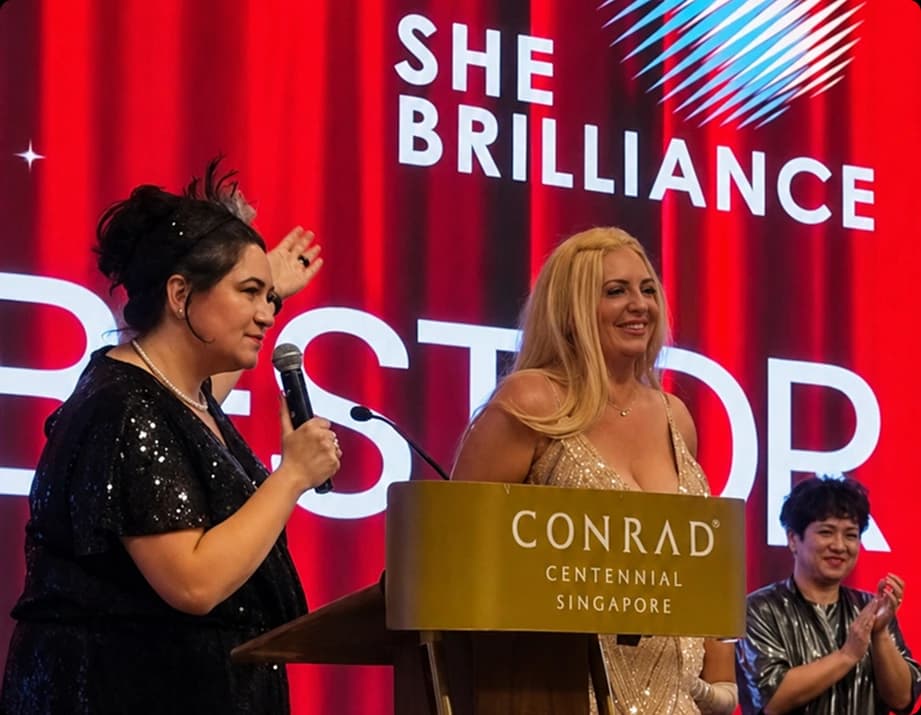
One of the greatest blessings throughout this journey has been the extraordinary support network around me. Family, friends, former colleagues and professional contacts have all played a role, offering encouragement, introducing me to people, sharing opportunities and simply being there to listen.
The power of a strong network cannot be overstated.
If you are currently navigating retrenchment, don’t isolate yourself. Continue building relationships and don’t be afraid to accept help when it is offered, especially during the difficult moments.
Likewise, if someone in your circle has recently lost their job, never underestimate the impact of a simple message: “Hi, how are you doing?” Those few seconds of effort can make an enormous difference to someone’s day.
Investing back in Myself
After several months of searching, I made a conscious decision to redirect some of my energy back into myself.
I enrolled in new online courses, began studying for an MSc in Business Analytics, and focused on personal development. More than anything, I started investing in myself again.
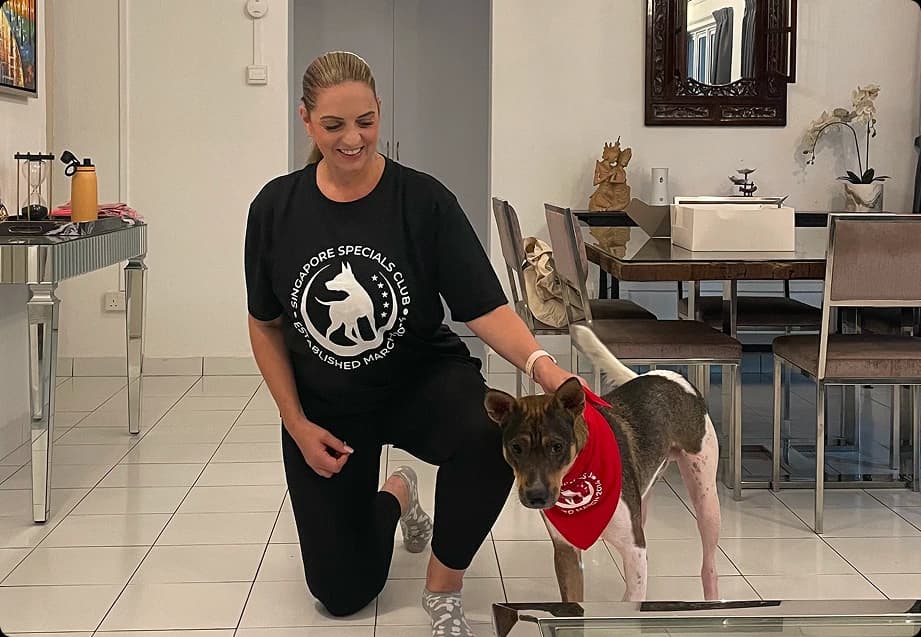
I worked on rebuilding my confidence, practising greater self-compassion, and prioritising my own happiness. Somewhere along the way, I had lost sight of who I was beyond my professional title. I had forgotten the resilience, determination and ambition that had originally brought me to Asia and enabled me to build the life I had created.
While I haven’t received a pay cheque in ten months, even that experience has offered valuable lessons, particularly around financial discipline, planning and appreciating the difference between what we need and what we simply want. Looking back, retrenchment has been one of the most challenging experiences of my life. But it has also been one of the most transformative.
If you Find Yourself
A setback is not the end of your story.
A job does not define your worth.

And sometimes, the path you never intended to take becomes the one that teaches you the most.
Keep going. Keep believing. Keep investing in yourself.
Your journey is not over, it may only just be beginning.